Precision milling is all about accuracy. Every cut needs to be clean and exact. For users of the X-Series, adding a laser module can open up even more creative options.
This guide explains how laser upgrades work with precision machines. It also covers what to consider before adding one to your setup.
Why Precision Milling Matters
Precision milling focuses on fine detail and accuracy. Unlike heavy-duty routing, this type of work often deals with smaller, more delicate projects.
Makers who value clean lines and exact measurements often choose machines built for this purpose. Small errors can ruin a detailed design, so accuracy is key.
Working with precision milling machines gives users the control needed for detailed carvings, custom parts, and fine artistic work.
Benefits of precision-focused machines include:
- High accuracy for small designs
- Clean results on detailed projects
- Good for custom parts and artwork
- Reliable performance for repeat projects
See also: AI in Everyday Life: Examples You Didn’t Notice
What a Laser Module Adds to Your Setup
Adding a laser module to a precision machine expands what you can create. Instead of only milling, you gain the ability to engrave and mark surfaces as well.
This upgrade is popular among users who want more versatility without buying a second machine.
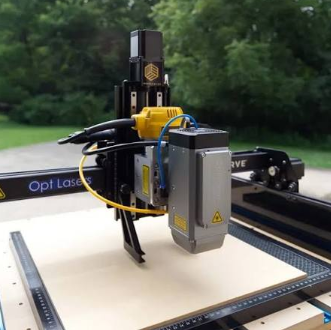
Many makers choose an infrared laser head for this kind of upgrade because it adds engraving ability while working well alongside existing milling tools.
Benefits of adding a laser module include:
- Adds engraving to your current setup
- Saves money compared to a second machine
- Fits well with precision-focused routers
- Expands the types of projects you can create
How Laser Modules Work with Milling Machines
Laser modules attach to your existing machine, replacing or working alongside your milling bit. This setup allows you to switch between cutting and engraving tasks.
For Detailed Engraving
Lasers are great for adding fine designs, text, or patterns to a finished project.
For Marking Materials
Some makers use lasers to mark measurements or guides before milling begins.
For Combined Projects
Many users combine both methods, milling a shape first and then engraving details afterward.
This combination gives makers more creative freedom without needing extra equipment.
Things to Consider Before Upgrading
Before adding a laser module, it helps to think through a few important details.
Check Compatibility
Not every laser module fits every machine. Confirm that it works with your specific model before buying.
Think About Project Needs
Consider whether you need light engraving or something more powerful for deeper marks.
Review Safety Requirements
Laser modules require proper safety precautions, including eye protection and safe workspace setup.
Consider Installation Difficulty
Some upgrades are simple to install, while others may require more technical steps.
Tips for a Smooth Upgrade Process
Adding a new laser module can feel exciting, but a few tips can help make the process easier.
- Read the installation guide carefully before starting
- Test the laser on scrap material first
- Start with simple designs to learn the new settings
- Keep safety equipment nearby during use
- Clean the lens regularly for the best results
Following these steps helps reduce mistakes during your first few projects.
Getting the Best Results After Upgrading
Once your laser module is installed, a few good habits can help you get better long-term results.
- Adjust speed and power settings based on your material
- Keep your workspace clean and free of dust
- Store the laser module safely when not in use
- Check connections regularly for wear
- Follow the manufacturer’s maintenance guide
These small habits can help protect your equipment and improve your results over time.
FAQ
1. Can I add a laser module to any precision milling machine?
Not always. It is important to check compatibility with your specific machine model first.
2. Is installing a laser module difficult for beginners?
Most modules come with clear instructions, making installation manageable for beginners with some patience.
3. What kinds of projects benefit most from this upgrade?
Detailed engraving, custom marking, and combined milling and engraving projects all benefit from this upgrade.
4. Do I need special software for a laser module?
Many laser modules work with common design software, but it is best to confirm compatibility beforehand.
5. Is a laser module safe to use at home?
Yes, as long as proper safety steps are followed, including eye protection and a clear workspace.
Conclusion
Adding a laser module to your X-Series machine can boost both creativity and functionality. This upgrade allows precision milling machines to handle engraving tasks alongside traditional cutting work.
By understanding compatibility, safety, and proper setup, makers can confidently expand their skills and take on a wider range of detailed projects.