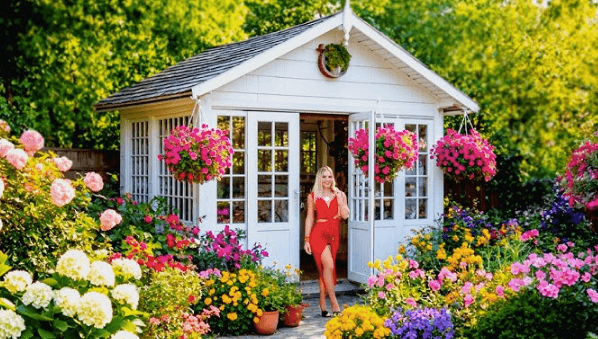
Small-space garden design requires a plan-driven approach that maps boundaries, light, soil, and water. The method translates findings into scalable layouts with clear goals and measurable benchmarks. Vertical shelving and multipurpose furniture extend usable surfaces, while interlocking components enable straightforward expansion. Light tricks, reflective materials, and restrained color contrast brighten volumes and guide sightlines. Portability and breathability of low-maintenance, drought-tolerant containers support flexible experimentation, inviting the next step.
Make a Plan: Assess Your Small-Space Potential
Assessing the potential of a small garden space requires a systematic appraisal of site constraints, resources, and goals. The evaluation informs a disciplined plan that clarifies plan goals and prioritizes space zoning. Boundaries, light, soil, and water guides are mapped to feasible configurations. This analytical approach yields scalable layouts, immediate benchmarks, and a flexible framework for evolving horticultural ambitions.
Go Vertical and Multi-Use: Maximize With Smart Furniture
Vertical space and multipurpose surfaces offer practical avenues to expand functionality in compact gardens. The approach emphasizes vertical shelving and multifunction furniture to maximize storage, seating, and planting zones without footprint expansion. Components interlock for scalable layouts, reducing clutter while enhancing accessibility. Materials should resist weathering; joints require minimal maintenance. Freedom-oriented design favors modular, adjustable configurations that adapt to evolving plant needs.
Light, Color, and Texture Tricks to Feel Bigger
Light, color, and texture strategies exploit perceptual tricks to enlarge a compact garden.
The composition emphasizes light tricks to brighten volumes, while reflective surfaces extend perceived space.
Subtle color contrast guides sightlines, expanding horizons, and texture tricks add depth without crowding.
Materials with uniform grain reduce visual clutter, whereas selective ornament enhances depth perception.
Clarity sustains freedom within disciplined design choices.
Low-Maintenance Plants and Practical Containers for Mini Gardens
For mini gardens, selecting low-maintenance plant species and compact, apartment-friendly containers optimizes upkeep without sacrificing resilience. The approach emphasizes reliable performers with drought tolerance, compact growth, and disease resistance, paired with practical containers that ensure drainage, portability, and airflow. This framework reduces maintenance cycles while preserving visual impact, enabling sustainable, freedom-centered experimentation in small spaces with low maintenance and practical containers.
Frequently Asked Questions
How Can I Zone Scent Areas in a Tiny Garden?
Scent zoning in a tiny garden can be achieved by deliberate placement of plant groups and pathways; two word discussion ideas include “microclimate layering.” The approach is precise, creative, and technical, enabling freedom while maintaining defined, complementing fragrance zones.
What Are Budget-Friendly, Space-Saving Irrigation Options?
Budget friendly irrigation options include drip lines and micro-sprinklers, minimizing evaporation and labor. The design favors space-saving options like compact controllers and inline emitters, ensuring precise delivery; it reads as technical, yet creative, granting the freedom to garden efficiently.
Can I Grow Edibles in a Shade-Dominated Small Space?
Yes, edible shade crops thrive in small, shade-dominated spaces, provided light is optimized and soil remains rich. A micro greenhouse extends growing windows; consider leafy greens, herbs, and compact fruiting varieties suitable for controlled, protective environments.
See also: AI in Energy Optimization
How Do I Maintain Soil Health in Container-Only Setups?
Soil health is maintained in container-only setups through regular container composting, measured moisture, and balanced amendments; this approach supports microbial activity, reduces compaction, and sustains nutrient availability for diverse edibles in constrained spaces.
What Permits or HOA Rules Affect Rooftop Micro-Gardens?
Rooftop micro-gardens face permits recusal challenges and HOA restrictions, with 62% of urban units reporting compliance delays. The figure underscores procedural rigor; a detached analysis weighs risk, timelines, and creative compromises in pursuing scalable, freedom-oriented cultivation.
Conclusion
In conclusion, small-space garden design thrives on disciplined planning and modular flexibility. The plan-driven assessment anchors decisions, while verticality and multipurpose furniture multiply usable area without crowding. Light tricks and reflective surfaces sculpt perceived space, guiding sightlines with deliberate color contrasts. Choosing drought-tolerant, low-maintenance plants in portable containers keeps the system adaptable and resilient. Like a well-titted instrument, the garden responds to scale, season, and user intent, transforming constraints into a precise, living blueprint.