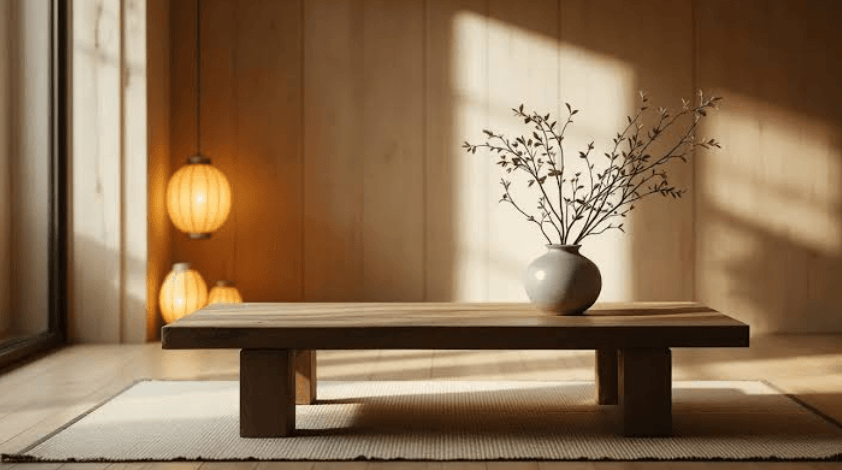
A perfectly symmetrical bowl is nice to look at. But a bowl with a slightly uneven rim, a visible fingerprint pressed into the clay, a crack filled with gold instead of hidden? That’s the kind of piece people remember. That’s the whole point of Wabi Sabi ceramics, and once you understand the thinking behind it, a lot of “flawed” pottery starts looking a lot more intentional.
What Makes Ceramics “Wabi Sabi”
Wabi Sabi isn’t a technique exactly — it’s more of a mindset that shapes how a piece gets made. The philosophy comes from Japan and centers on finding beauty in things that are imperfect, impermanent, or incomplete. Applied to ceramics, that means embracing the wobble in a handmade bowl instead of correcting it. Letting a glaze pool unevenly instead of forcing consistency. Keeping visible seams, thumbprints, or asymmetry instead of smoothing them away.
It’s easy to confuse this with “just being sloppy,” but that’s not really it. Good Wabi Sabi ceramics still take skill — the imperfections are often shaped with real intention, even if the final look feels loose and organic. There’s a difference between a mistake and a deliberate rough edge, even if they look similar to an untrained eye.
Core Techniques Behind the Style
Hand-Building Instead of Wheel-Throwing
A lot of Wabi Sabi pottery is hand-built rather than thrown on a wheel. Coiling, pinching, and slab-building all produce slightly irregular shapes naturally, since your hands don’t move with the same mechanical precision a spinning wheel does. This is often the easiest entry point for beginners too, since it doesn’t require mastering wheel-throwing first.
Embracing Asymmetry on Purpose
Instead of trimming a piece down until it’s perfectly even, Wabi Sabi potters often leave slight variations in the walls, rim, or base. A bowl might be a touch taller on one side. A cup’s handle might sit slightly off-center. These aren’t corrected — they’re part of what makes the piece feel handmade rather than mass-produced.
Working With Natural, Unrefined Clay
Many Wabi Sabi pieces use clay with visible texture, small impurities, or a coarser finish rather than perfectly smooth, refined clay bodies. Some potters intentionally choose clay with flecks of grog (small fired clay particles) mixed in, since it creates a rougher, more tactile surface once fired.
Kintsugi-Inspired Repair
This one’s probably the most recognizable technique associated with the philosophy. Kintsugi is the practice of repairing broken ceramics with gold or gold-dusted lacquer instead of hiding the crack. Instead of treating damage as something to disguise, it becomes the most eye-catching part of the piece. You don’t need an actually broken piece to borrow this idea, either — some potters create deliberate seams or joins finished in gold just for the visual effect.
Uneven Glazing
Rather than aiming for a flawless, uniform glaze coat, a lot of Wabi Sabi ceramics let the glaze pool, drip, or thin out unevenly during firing. This creates natural variation from piece to piece, so no two items ever look exactly alike, even from the same batch.
If you want a deeper breakdown of how these techniques actually come together in practice, there’s a solid resource on Wabi Sabi pottery that walks through the process in more detail, from clay choice through firing.
Why People Are Drawn to This Style Right Now
There’s something almost relieving about pottery that doesn’t demand perfection. A lot of modern homes are filled with mass-produced items that all look identical, and Wabi Sabi ceramics push back against that completely. Every piece has its own quirks. No two are the same, even from the same potter’s hands.
It also connects to a bigger shift toward valuing things that are made slowly and kept for a long time, instead of things that are cheap and easily replaced. A Wabi Sabi bowl isn’t meant to be tossed when it chips — the chip becomes part of its story.
How Wabi Sabi Ceramics Fit Into Home Decor
These pieces work best displayed simply — a few pieces on open shelving, a single bowl as a centerpiece, nothing too crowded around them. They tend to clash with very glossy, high-shine decor, since the whole appeal is the matte, organic, slightly rough quality.
They pair naturally with other textured elements in a home. If you’re already drawn to rough, tactile surfaces, it’s worth looking at textured wall art for the same room — the raised, uneven surface of plaster art shares the same visual language as handmade ceramics, and the two together create a much more cohesive, grounded feel than pairing ceramics with flat, glossy prints.
Getting Started With Your Own Wabi Sabi Pieces
You don’t need a full pottery studio to try this. A basic air-dry clay kit will let you practice hand-building and asymmetry without needing a kiln. A few starting points:
- Pinch a small bowl by hand and resist the urge to smooth every surface perfectly
- Let a crack or seam show instead of hiding it, and consider filling it with gold paint for a simple kintsugi-style effect
- Apply glaze or paint unevenly on purpose, letting color pool more heavily in some areas than others
- Leave visible fingerprints or tool marks rather than sanding them away
The goal isn’t to make something that looks broken or careless. It’s to make something that looks made by a person, with all the small variations that come with that.
Common Misunderstandings About the Style
It’s not the same as “rustic” or “farmhouse” style. Those styles often use deliberate distressing for a specific aesthetic trend. Wabi Sabi is a philosophy about impermanence and imperfection, not a decorating category, even though the two can look similar on the surface.
It doesn’t mean low quality. A well-made Wabi Sabi piece still requires real skill. The imperfections are shaped with intention, not the result of carelessness.
It’s not just neutral or beige. While muted tones are common, Wabi Sabi ceramics can include color, especially through glaze variation — it’s more about texture and irregularity than a strict color rule.
See also: Fast, Local Repairs: Tech!Espresso’s Fixed‑or‑Free On‑Site Service in Alberta
FAQ
Is Wabi Sabi pottery hard to make as a beginner?
Hand-building techniques are actually quite approachable for beginners, since there’s no pressure for perfect symmetry. It’s arguably easier to start with than wheel-throwing, where precision matters a lot more.
Why do Wabi Sabi ceramics often look unfinished?
That’s usually intentional. Rough edges, uneven glaze, and visible texture are core to the style, not signs of an incomplete piece. It’s meant to look handmade and natural rather than machine-perfect.
Can Wabi Sabi ceramics be functional, or are they just decorative?
Most are fully functional — bowls, cups, vases meant for everyday use. Part of the philosophy is actually about living with and using imperfect objects daily, not just admiring them from a shelf.
Wabi Sabi ceramics ask you to slow down and appreciate the small, unrepeatable details that come from working with your hands. Once you start noticing those little imperfections on purpose, it’s hard to look at a flawless mass-produced bowl the same way again.