A circular fashion economy reorganizes clothing systems around longevity, reuse, and resource efficiency. It emphasizes repairability, modular design, and clear end-of-life pathways to reduce waste and emissions. Models like resale, rental, and take-back extend garment lifespans and material loops. Policy alignment, market incentives, and consumer engagement are essential to measurable progress. The challenge remains: how to scale these mechanisms across brands, supply chains, and cultures to sustain durable impact.
What Is a Circular Fashion Economy?
A circular fashion economy redefines how clothes are designed, produced, used, and disposed by prioritizing longevity, reuse, and resource efficiency over single-use consumption. In this framework, systems map supply chains, incentives, and feedback loops to reduce waste and emissions.
Design ethics guides choices; material innovation enables modular, repairable products, while stakeholders align on shared value, transparency, and scalable circular models. Freedom-oriented accountability emerges.
Designing for Longevity, Repair, and End-of-Life
Designing for longevity, repair, and end-of-life focuses on extending product life, enabling practical maintenance, and channeling end-of-use materials back into the loop through structured take-back and recycling streams.
The approach measures design longevity outcomes, embeds repair culture across supply chains, and aligns incentives for durable materials, modular components, and transparent lifecycle data, delivering scalable, freedom-enhancing systemic solutions for circular fashion.
Models That Keep Clothes in Use: Resale, Rental, and Take-Back
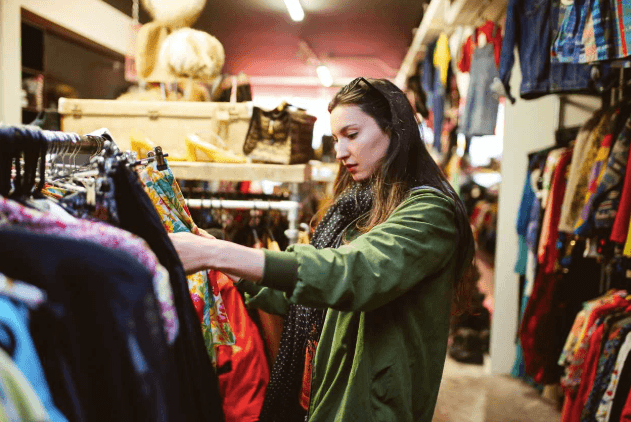
Models that keep clothes in use—resale, rental, and take-back—represent systemic levers for extending garment lifespans and diverting materials from waste streams. Data-driven analyses show resale markets, rental platforms, and take-back programs density, optimize utilization, and lower environmental footprints. Upcycling systems emerge when materials circulate, while consumer incentives encourage participation, accelerating scalable, durable, and freedom-oriented circular fashion adoption.
Policy, Markets, and Mindset: Making Circular Fashion Possible
Policy, markets, and mindsets converge to make circular fashion viable by aligning incentives, governance, and cultural norms with verified lifecycle data.
Systemic policy incentives foster investment in repair, recycling, and design for longevity, while markets reward transparency and durable products.
Consumer engagement fuels behavior change, data sharing, and accountability, enabling scalable, measurable progress toward a resilient, inclusive circular fashion economy.
Frequently Asked Questions
How Do Circular Fashion Initiatives Measure True Environmental Impact?
Circular metrics and lifecycle assessment quantify true environmental impact by tracing material flows, energy use, and emissions across stages, enabling data-driven improvements; results support systemic, freedom-focused strategies that scale circular fashion initiatives and reveal real sustainability progress.
What Role Do Consumers Play in Scaling Circular Fashion?
Consumers shape scale through consistent consumer behavior and demand-driven choices, while supply chain transparency reveals progress and gaps. Data-driven strategies highlight systemic levers, enabling solutions that empower a freedom-minded audience to participate responsibly in circular fashion initiatives.
Can Circular Practices Be Financially Sustainable for Small Brands?
Small brands can achieve financial sustainability through scalable, data-driven practices; a transparent supply chain and scalable closed loop systems reduce waste, improve margins, and attract investment, enabling systemic growth across operations and markets.
See also: Passive Income Strategies in Crypto
How Are Second-Hand Garments Authenticated and Trusted?
Like a ledger of whispers, authentication practices and provenance verification align, portraying trust signals as verifiable breadcrumbs; systems analyze data, apply authentication methods, and close gaps, delivering transparent, freedom-minded confidence for second-hand garments in a structured marketplace.
What Metrics Track Progress Toward Circularity Goals?
Circularity metrics track progress toward circularity goals, enabling organizations to quantify reuse, recycling, and lifecycle extension; progress indicators reveal performance gaps and guide systemic improvements, fostering data-driven decisions and scalable solutions for a freer, more sustainable fashion system.
Conclusion
The data converge on a single trajectory: circular fashion reduces waste, emissions, and resource strain when systems align. Coincidences—repair labs blossoming alongside resale platforms, or a take-back initiative triggering material reclamation—reveal latent demand for durable design. Scaled, these patterns form a resilient loop: design for longevity, enable reuse, and monetize responsible behavior. With transparent lifecycle data and supportive policy, the industry shifts from disposable norms to measurable, systemic stewardship that sustains both people and planet.