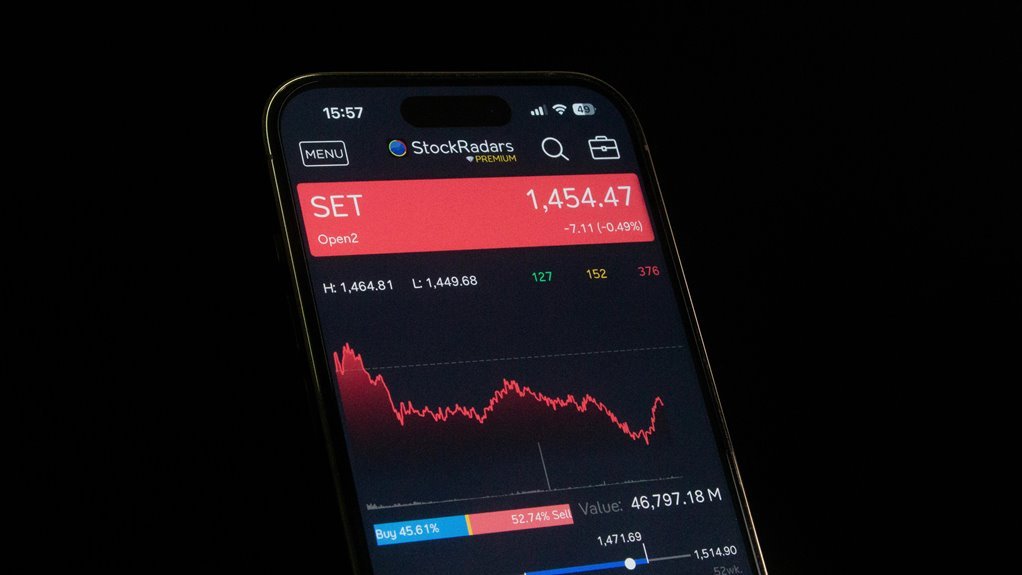
Passive income in crypto hinges on repeatable, scalable mechanisms such as staking, lending, and yield farming. These paths offer compounding potential but carry risk from volatility, smart contract bugs, and liquidity constraints. A data-driven approach emphasizes clear metrics, risk-adjusted returns, and vigilant security practices. Diversification across chains and strategies reduces exposure while maintaining turnover for opportunity capture. The framework invites careful allocation decisions, yet prompts critical questions about resilience and governance that persist beyond initial setup.
What Passive Crypto Income Really Means
Passive crypto income refers to earnings generated with minimal ongoing active involvement, typically through mechanisms like staking, liquidity provision, lending, and certain yield-focused protocols.
The analysis quantifies potential returns, volatility, and liquidity risks, emphasizing diversification and time horizons.
It highlights Passive Income avenues while weighing Crypto Risks, Security Best Practices, and cost considerations, framing freedom with disciplined risk management and transparent performance metrics.
Core Strategies: Staking, Lending, and Yield Farming Explained
Core strategies in crypto yield generation revolve around staking, lending, and yield farming, each with distinct risk and reward profiles. The analysis emphasizes measurable metrics, expected returns, and operational turnover.
Staking rewards reflect protocol incentives, while liquidity mining optimizes capital velocity. Investors compare opportunity costs, liquidity access, and compounding effects to inform scalable, freedom-driven deployment across diversified, data-informed portfolios.
Risk, Security, and Due Diligence You Must Practice
Risk, security, and due diligence are essential to crypto‑yield strategies, informing both the probability of loss and the reliability of returns. A disciplined risk assessment quantifies exposure across protocols, tokens, and counterparties, while ongoing security hygiene limits breach surfaces. Transparent metrics, incident history, and governance changes drive turnover efficiency, enabling freer participants to optimize yields without compromising core resilience.
Building a Diversified, Practical Plan You Can Act On
A practical, diversified crypto plan centers on translating risk assessments into actionable allocations across multiple yield strategies, chains, and risk profiles. It emphasizes Passive income streams balanced withTax considerations and security optimization, while governance participation informs rebalancing. The approach remains data-driven, turnover-focused, and risk-aware, enabling freedom-minded actors to monitor metrics, adjust exposure, and optimize yield without sacrificing resilience or compliance.
Frequently Asked Questions
How Do Tax Implications Affect Passive Crypto Income?
Tax implications hinge on jurisdiction, recognizing crypto as property for many authorities; reporting requirements demand meticulous records. Automation vs manual management influences accuracy and compliance costs, while risk-aware strategies prioritize predictable cash flow and freedom fromUnexpected penalties.
Which Platforms Offer Best Yield With Lowest Risk?
Platforms offering best yield with lowest risk vary; conservative DeFi and multi‑asset custodians rank higher. However, platform fees and token volatility shape net returns, so risk-adjusted comparisons are essential for freedom-focused investors seeking sustainable turnover.
Can I Automate My Passive Income Strategy?
Automation can be implemented, but requires robust automation tooling and ongoing risk assessment to balance yield and safety. The approach emphasizes data-driven monitoring, rapid turnover, and freedom-oriented optimization, reducing manual intervention while maintaining transparent, auditable decision rules.
See also: AI in Everyday Life: Examples You Didn’t Notice
What Are the Hidden Fees in Staking, Lending, and Farming?
What hidden costs lurk in staking, lending, and farming? They face platform fees, slippage, withdrawal charges, and impermanent loss; hidden costs erode returns. The data warns, risk-aware operators optimize turnover to preserve freedom and capital.
How Often Should I Rebalance My Crypto Passive Portfolio?
Rebalancing cadence should align with risk tolerance and market conditions, favoring a risk adjusted frequency that minimizes turnover while preserving upside. The portfolio rebalances as needed, balancing liquidity, volatility, and freedom-oriented goals, supported by data-driven monitoring.
Conclusion
In summary, the article presents a data-driven, risk-aware view of passive crypto income, emphasizing scalable diversification across staking, lending, and yield farming. It highlights measurable metrics, governance signals, and security hygiene as guardrails for resilience. Turnover and rebalancing are framed as essential accelerants, not afterthoughts, enabling compounding while controlling drawdown. Like a well-tuned engine, the plan relies on disciplined monitoring and transparent metrics to steer decisions, painting a cautious, precise roadmap toward sustainable, low-effort returns. Epilogue: a precision-sculpted compass.